
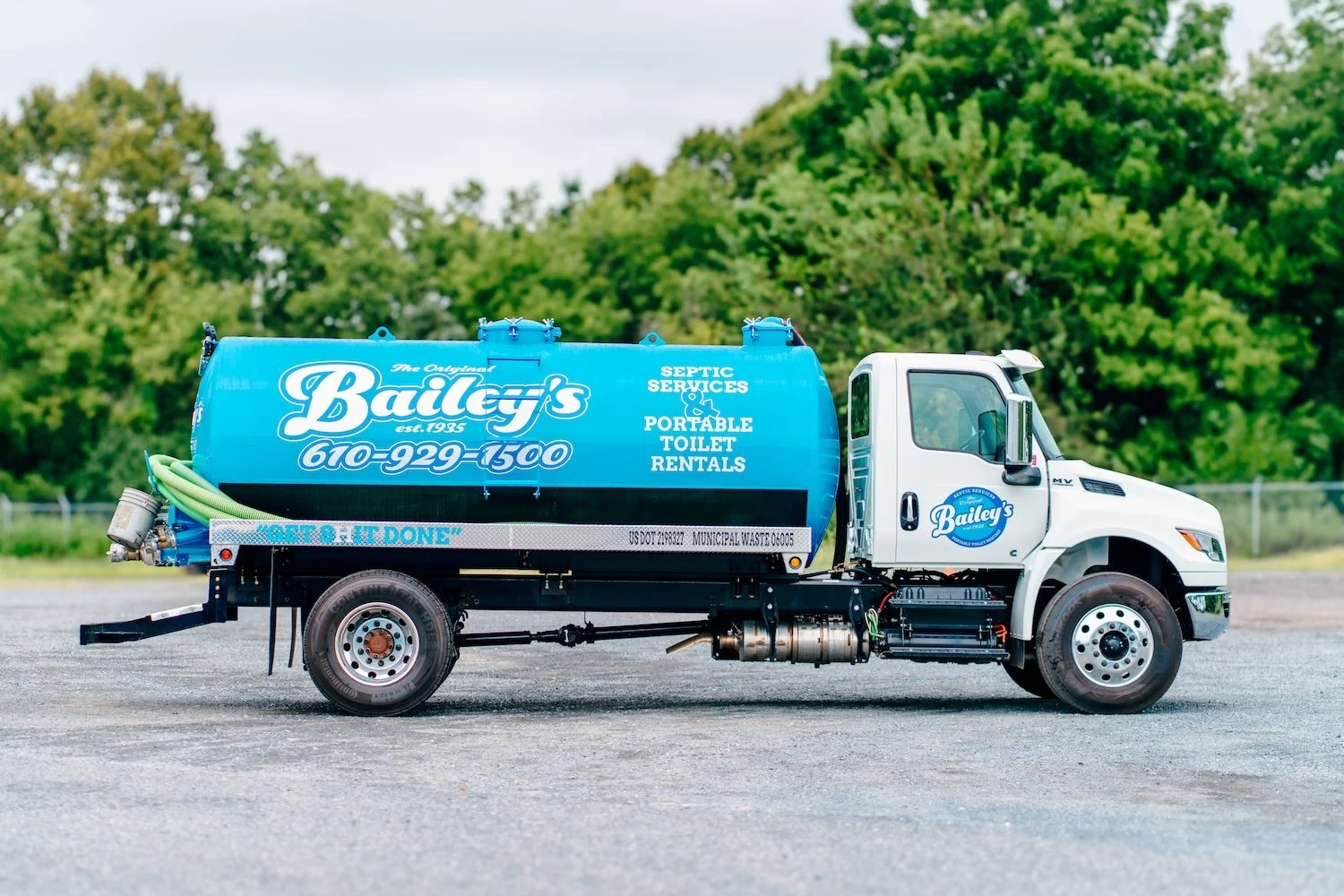
If you have ever asked how much does it cost to pump a septic tank, you have probably noticed that quotes vary. The biggest reasons for that variation is the size of your tank and how well the system has been maintained over the years. A septic tank that gets regular attention tends to make servicing simpler. A neglected one often turns a routine visit into a much bigger job, and that extra work shows up on your bill.
What "Neglected" Really Means
Every septic tank collects solids over time. That is normal. The problem starts when a tank goes years, or even a decade, without being pumped. What should be a simple maintenance task becomes a cleanup project, and the cost to pump septic tank systems in that condition reflects the added labor, time, and equipment involved.
Solids Buildup Changes Everything
In a well-maintained tank, waste separates into three layers: a scum layer on top, relatively clear liquid, referred to as effluent, in the middle, and sludge at the bottom. Pumping removes the sludge and scum, leaving the tank ready to work efficiently again.
When a tank is neglected, that balance breaks down. Solids build up until they take up most of the tank's volume, leaving little room for wastewater to separate properly. This means the crew has to remove far more material, spending more time on site. More time and more waste volume both translate directly into higher costs.
Compacted Sludge Is Harder to Remove
Fresh sludge is relatively easy to pump out. Sludge that has sat undisturbed for years is a different story. Over time, solids settle and compact into a dense, thick layer that resists normal suction. Technicians may need to add water to break it up, use specialized agitation tools, or make multiple passes to fully clear the tank.
This is one of the main reasons a pumping septic tank cost estimate can increase once a technician actually opens the tank and sees what they are dealing with. A quote based on a "normal" tank does not account for compacted sludge that behaves more like clay than liquid waste.
Difficult Access Adds Labor Time
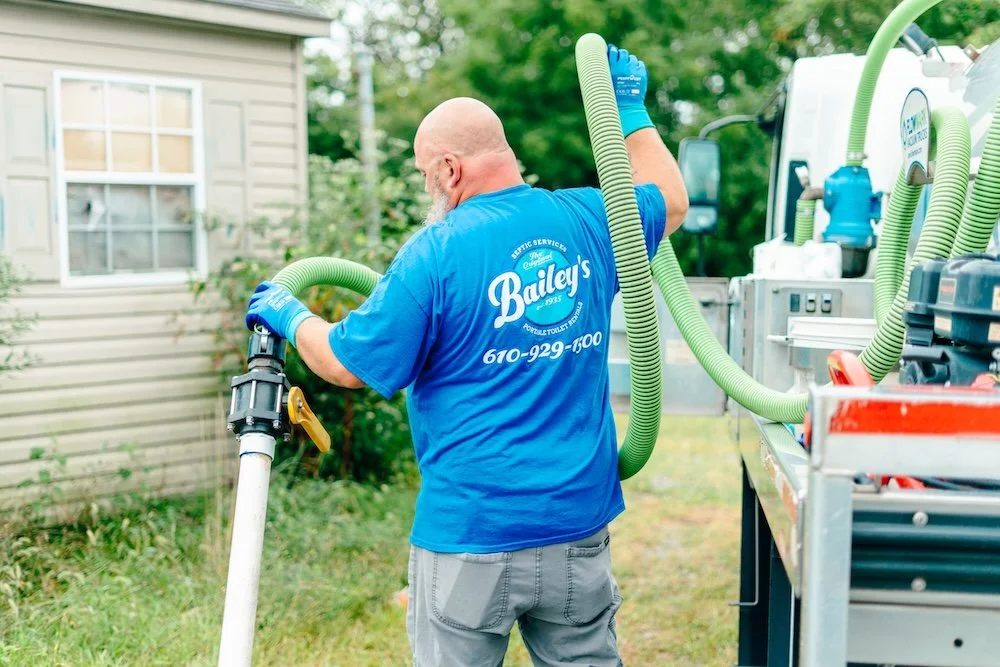
Neglected systems are often neglected access points as well. Over years without service, tank lids can become buried under soil, mulch, landscaping, or even structures built too close to the system. Some older tanks were never fitted with risers, meaning the crew has to dig down several feet just to reach the lid.
Every extra minute spent locating and uncovering a tank is time the crew is not spending on the actual pumping. Difficult access is one of the most common factors behind a higher-than-expected bill, and it is entirely avoidable with routine maintenance that keeps access points visible and easy to reach.
Emergency Calls Cost More Than Scheduled Service
Perhaps the clearest example of neglect driving up costs is the emergency call. When a septic system has not been pumped in years, it eventually reaches capacity and backs up, sometimes into the house itself. At that point, the homeowner is not calling to schedule routine maintenance. They are calling because they have a crisis on their hands.
Emergency service typically costs more than a scheduled appointment. Same-day or after-hours calls require the company to reprioritize its schedule, and the job itself is often more complicated because of the backup, potential drain field stress, or sewage exposure that needs to be addressed. So while someone might ask how much does it cost to pump a septic tank expecting a standard number, an emergency situation caused by years of neglect can cost two or three times more than a routine visit would have.
The Real Cost of Waiting
Here is the pattern across all of these issues: solids buildup, compacted sludge, difficult access, and emergency calls are not random bad luck. They are the predictable result of skipping regular pumping. A septic tank that is serviced every two to three years, depending on household size and usage, rarely develops these problems. The pumping stays simple, the access stays clear, and the bill stays reasonable.
If it has been a while since your last pumping, the smartest financial move is not to wait for a problem to force the issue. Scheduling routine service now is almost always cheaper than dealing with a neglected system later.
Talk to Bailey's Septic Services | Septic Pumping in Berks
If you are unsure when your tank was last serviced or want a straightforward quote, Bailey's Septic Services can take a look at your system and let you know exactly what to expect, before neglect turns a simple job into an expensive one.
