
Why Is There Standing Water Over My Drain Field?
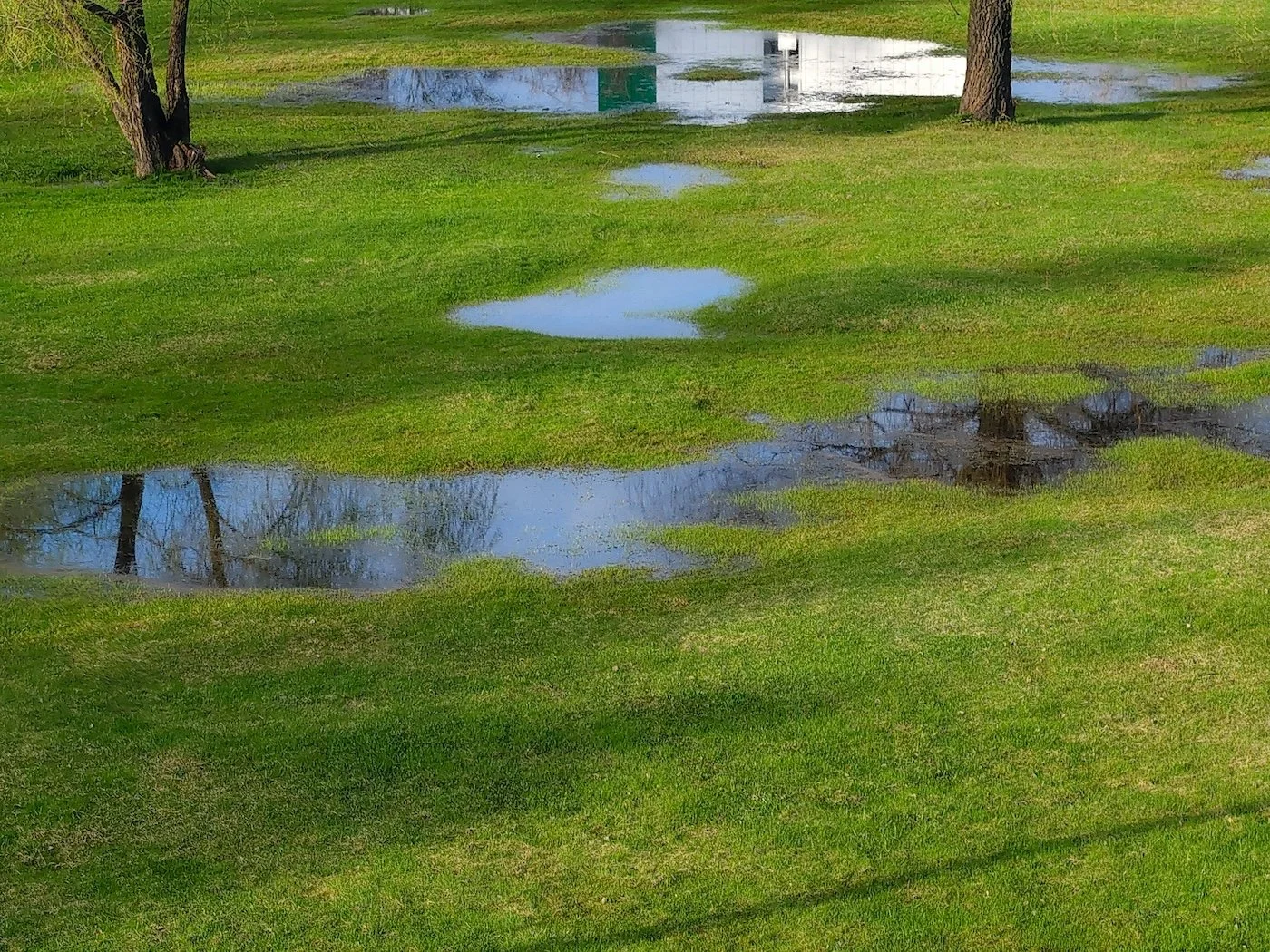
Finding a soggy, squishy patch over your drain field is never a fun surprise. Sometimes it is just a rainy week. Other times it is your septic system telling you something is wrong. Here is how to tell the difference and what to do next.
Common Causes of Standing Water Over a Drain Field
A full or overdue septic tank. When a tank is not pumped often enough, solids build up and can flow out into the drain field. Those solids clog the soil and pipes, and wastewater has nowhere to go but up. Regular septic pumping services in Berks is the simplest way to prevent this.
Heavy rain or saturated soil. Berks County can see long stretches of wet weather, and a drain field cannot absorb wastewater when the ground is already full of water. If the puddles show up only after storms and disappear in a day or two, this is often the cause. Still, keep an eye on it.
A clogged or unsatisfactory drain field. Over time, a layer of sludge called a biomat forms in the soil around the drain lines. Too much water use or too many solids can thicken it until the soil can no longer absorb liquid.
Crushed or broken pipes. Driving or parking on the drain field, or tree roots growing into the lines, can damage pipes and push wastewater to the surface.
Too much water at once. Several loads of laundry in one day, a leaking toilet, or a faucet left running can overwhelm the system.
Why You Should Not Ignore It
Standing water over a drain field is more than an eyesore. It can contain untreated wastewater with bacteria and pathogens, which is a health risk for kids, pets, and neighbors. It often comes with sewage odors, slow drains, and gurgling pipes inside the house. The longer it goes on, the more likely a small fix turns into a costly drain field replacement.
What to Do Right Now

Keep people and pets off the wet area.
Cut back on water use. Space out laundry and skip long showers until you know the cause.
Do not drive or park on the drain field.
Check for leaks, such as running toilets or dripping faucets.
Note when the water appears: after rain, after laundry, or all the time.
Call a professional. A licensed septic company can inspect the tank, check the drain field, and tell you whether pumping, repair, or something bigger is needed.
How to Prevent Drain Field Problems
Pump your tank on a regular schedule. Every two to three years is typical for many households, and some Berks County townships have their own requirements.
Keep heavy vehicles and structures off the drain field.
Plant grass, not trees or shrubs, over the lines.
Avoid flushing wipes, grease, and other items that do not break down.
Spread out your water use throughout the week.
Septic Pumping Services in Berks County | Bailey’s Septic
Bailey's Septic Service has been family owned and operated since 1935 and is PSMA certified. We have seen just about every drain field problem in Berks County. If you have standing water in your yard, call us to schedule an inspection or pumping before a small problem grows.
