
How Often Should a Restaurant Grease Trap Be Cleaned?
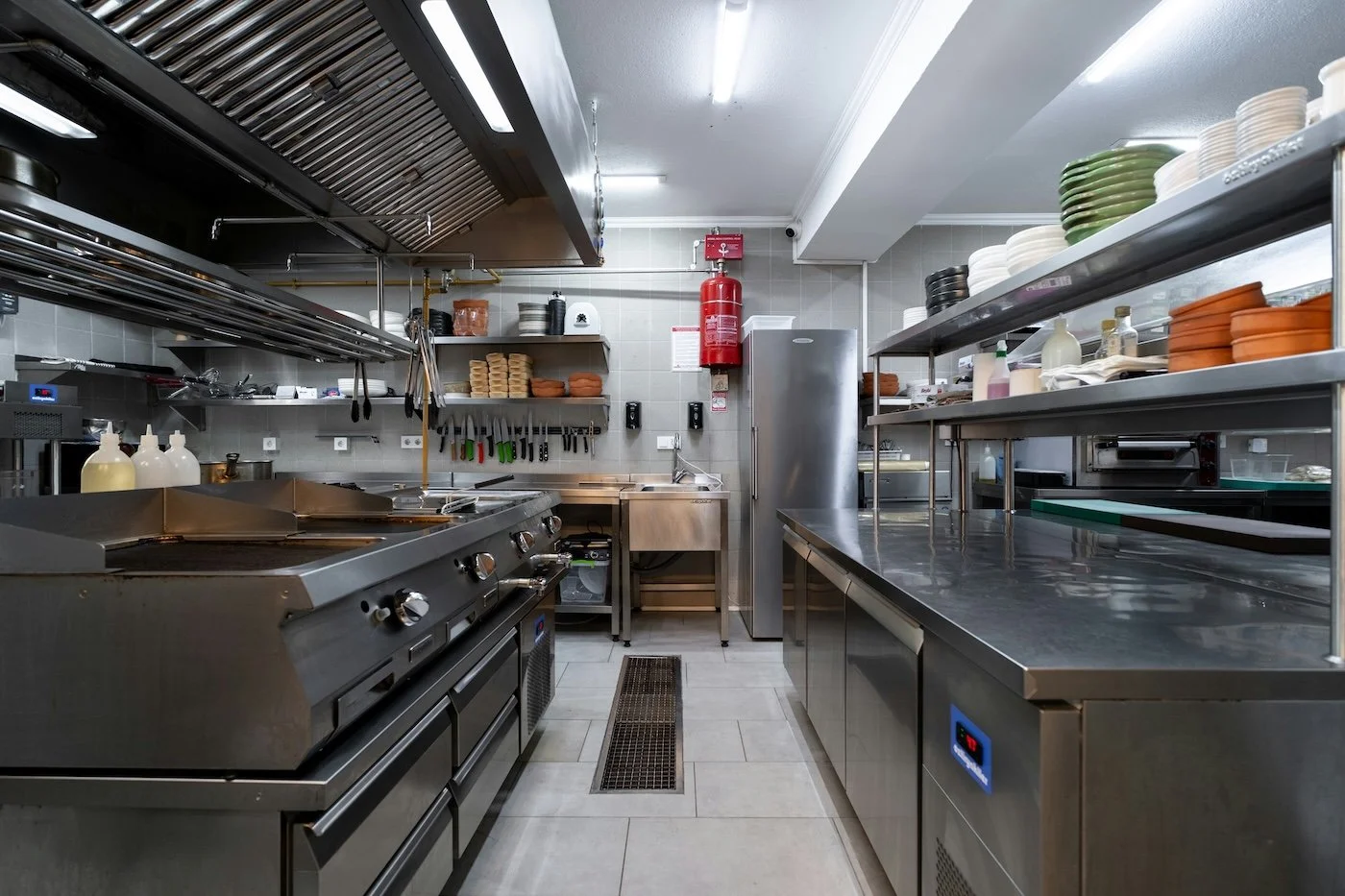
If you run a commercial kitchen, your grease trap works hard every single shift. It catches fats, oils, and grease (FOG) before they reach the sewer or septic system, and when it's neglected, the problems show up fast: slow drains, foul odors, backups during a dinner rush, and fines from the municipality. So how often should a grease trap be pumped? The short answer is at least once every 90 days, and a reliable grease trap cleaning service in Berks County can help you stay on schedule. The right answer for your kitchen depends on a few factors.
The 25% Rule for Grease Traps
The industry standard for grease trap maintenance is the 25% rule. It says a trap should be pumped and cleaned once the combined layer of floating grease and settled solids makes up 25% of the liquid depth in the trap.
Here is why that number matters. A grease trap works by slowing wastewater down so grease can float to the top while solids sink to the bottom. Clean water flows out through the middle. Once grease and solids fill a quarter of the trap, there isn't enough room left for that separation to happen properly. Grease begins slipping past the trap and into your pipes, where it cools, hardens, and builds up into stubborn clogs.
For example, if your trap holds 40 inches of liquid, it is time to pump when the grease and solids reach 10 inches. Waiting longer than that puts your plumbing, your health inspection, and your reputation at risk.
How Kitchen Volume Changes the Schedule
The 25% rule tells you when to clean. Your kitchen determines how soon you will get there. A few things speed up the schedule:
Meal volume. A busy restaurant serving hundreds of covers a day fills its trap much faster than a small cafe.
Menu type. Fried foods, bacon, burgers, and heavy sauces send far more grease down the drain than salads or sandwiches.
Trap size. A small under-sink trap may need service every few weeks, while a large in-ground interceptor can often go three months.
Kitchen habits. Scraping plates into the trash and wiping pans before washing keeps a surprising amount of grease out of the trap.
As a rough guide, high-volume kitchens often need pumping every 4 to 6 weeks. Moderate-volume restaurants typically land at every 2 months. Low-volume operations can usually stay on the 90-day minimum. Many local codes require cleaning at least every three months no matter what, so check your requirements.
Signs Your Trap Is Overdue
Do not wait for a calendar reminder if you notice these red flags:
Slow-draining sinks or floor drains
Sewage or rotten-egg smells in the kitchen
Grease visible in the trap or backing up in drains
Flies or pests gathering near the trap
Keep a Log and Stick to a Plan
Guessing costs money. Measure your trap's grease depth at regular intervals for the first few months, record the results, and adjust your schedule to match what your kitchen actually produces. Keeping service records also protects you during inspections.
Let Us Handle It | Grease Trap Cleaning Services in Berks County

Bailey's Septic Service has been family owned since 1935 and proudly serves restaurants and commercial kitchens across Berks County. Our PSMA certified team can pump your grease trap, inspect it, and help you set up a maintenance plan that fits your kitchen's volume, so you never have to think about it until we show up.
Ready to take trap cleaning off your to-do list? Contact Bailey's Septic today to schedule service or build a custom maintenance plan.
