
Signs Your Grease Trap Is Full (and What Happens If You Ignore It)
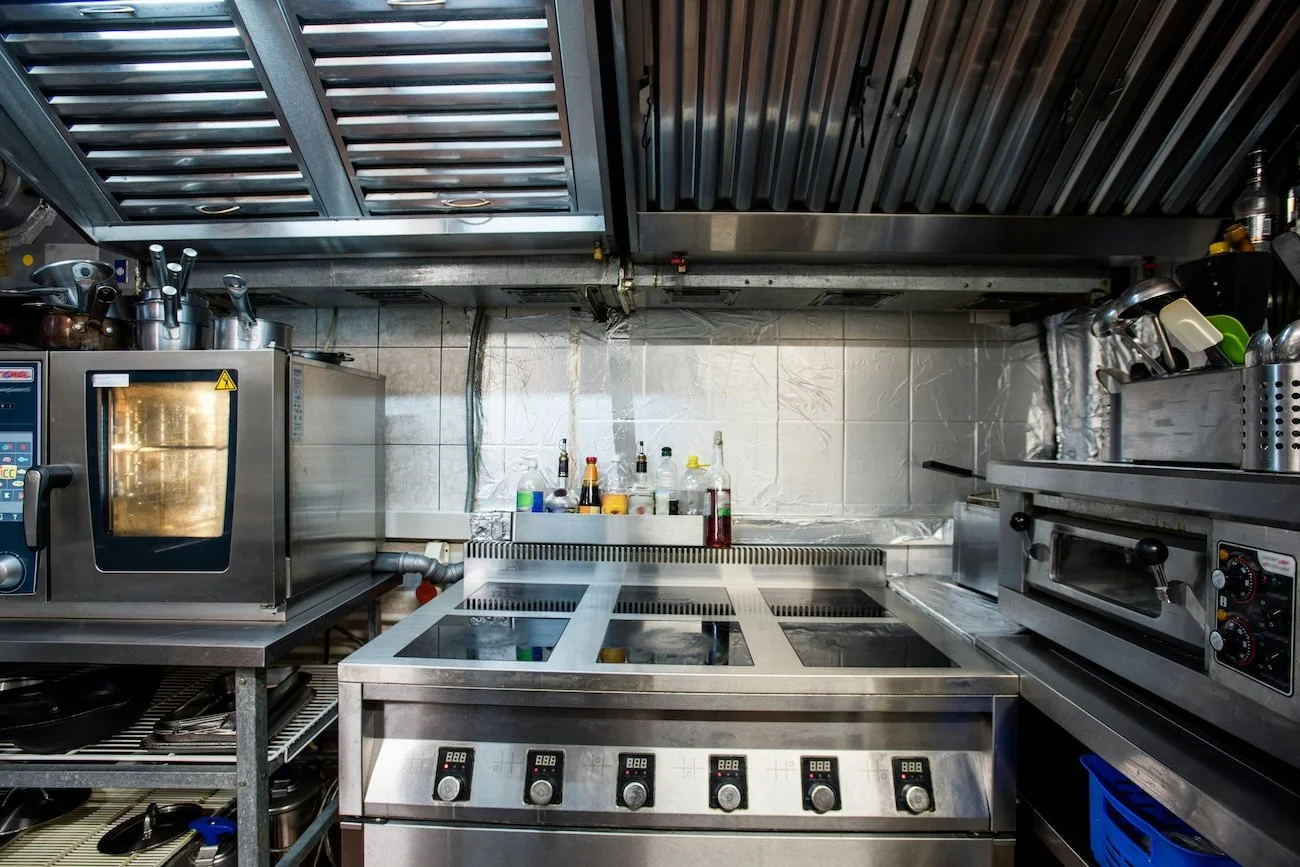
If you run a restaurant, cafeteria, or any commercial kitchen in Berks County, your grease trap is quietly working hard every day. It catches fats, oils, and grease (FOG) before they travel into your plumbing and the municipal sewer system. But a trap can only hold so much. Once it fills up, problems arrive fast, and they are rarely cheap.
Common Signs Your Grease Trap Is Full
Slow-draining sinks. If your prep sinks, dish pits, or floor drains are taking longer to clear, a clogged or overloaded trap is a likely cause.
Foul odors. Rotting grease and food waste give off a sour, rancid smell. If your kitchen or back lot smells worse than usual, the trap may be overdue for service.
Grease backing up into drains. Seeing greasy water or sludge rise in a floor drain is a clear warning. Do not wait for it to get worse.
Gurgling pipes. Trapped air struggling past a blockage often causes gurgling sounds from drains and fixtures.
Pests. Flies, roaches, and rodents are drawn to decaying grease. A sudden increase in pests can point to a full trap.
Visible buildup at the lid. If you check the trap and the grease layer is thick, with solids stacked near the outlet, it needs pumping now.
A Simple Rule to Follow
Many local codes and industry guidelines follow the 25 percent rule. When grease and solids make up a quarter of the trap’s liquid depth, it is time for a grease trap cleaning. Waiting beyond that point lets FOG slip past the trap and into your lines.
What Happens If You Ignore It
Costly plumbing clogs. Grease that escapes the trap hardens inside pipes. Clearing a blocked line can mean emergency service calls, hydro jetting, or even pipe replacement.
Sewer backups. A backup in your kitchen means lost business, a cleanup bill, and possible damage to floors and equipment.
Health code violations. Inspectors take grease control seriously. An overflowing trap or poor maintenance records can lead to failed inspections, fines, or temporary closure.
Municipal penalties. If your grease reaches the public sewer, you may be held responsible for the damage and cleanup. Fines can add up quickly.
Unpleasant working conditions. Odors and pests hurt staff morale and customer impressions alike.
How Often Should You Clean Your Grease Trap?
Most commercial kitchens need grease trap cleaning service every one to three months, depending on size, menu, and how much cooking you do. A busy kitchen may need cleaning monthly, while a smaller operation might stretch it longer. Keeping a service log also helps you stay ready for inspections.
Grease Trap Cleaning Services in Berks County | Bailey’s Septic

Family owned since 1935 and PSMA certified, Bailey’s Septic Service & Portable Toilet Rentals has been keeping Berks County businesses running smoothly for generations. Our team provides reliable grease trap cleaning on a schedule that fits your kitchen, so you can avoid backups, violations, and surprise repair bills.
Noticing any of the warning signs above? Contact Bailey’s Septic today to schedule your grease trap cleaning before a small problem becomes a costly one.
