

Cleaning your grease trap on schedule is only half the job. The other half is proving it. When a health inspector walks into your kitchen, a clean trap with no paperwork can still lead to a citation. Good records show that your business takes wastewater responsibility seriously, and they can save you time, money, and stress.
Why Inspectors Ask for Records
Grease that escapes a trap can clog sewer lines and cause backups. Local municipalities and health departments want to confirm that commercial kitchens are managing fats, oils, and grease (FOG) properly. Records are the easiest way to verify that. Requirements can vary by township and municipality, so it is smart to check with your local authority about the exact rules for your location.
What to Keep on File
Inspectors generally want to see a clear, organized history of service. Make sure each service visit produces a record that includes:
Date of service. This shows how often the trap is being cleaned.
Business name and service address. Records should clearly match your location.
Hauler or service company name. Use a licensed, certified provider and keep their contact information handy.
Volume removed. The amount pumped helps show whether your cleaning schedule fits your kitchen’s output.
Trap condition notes. Cracks, damaged baffles, or other issues should be documented along with any repairs.
Disposal information. A manifest or receipt showing where the waste went proves it was handled properly.
Keep Records Where You Can Find Them
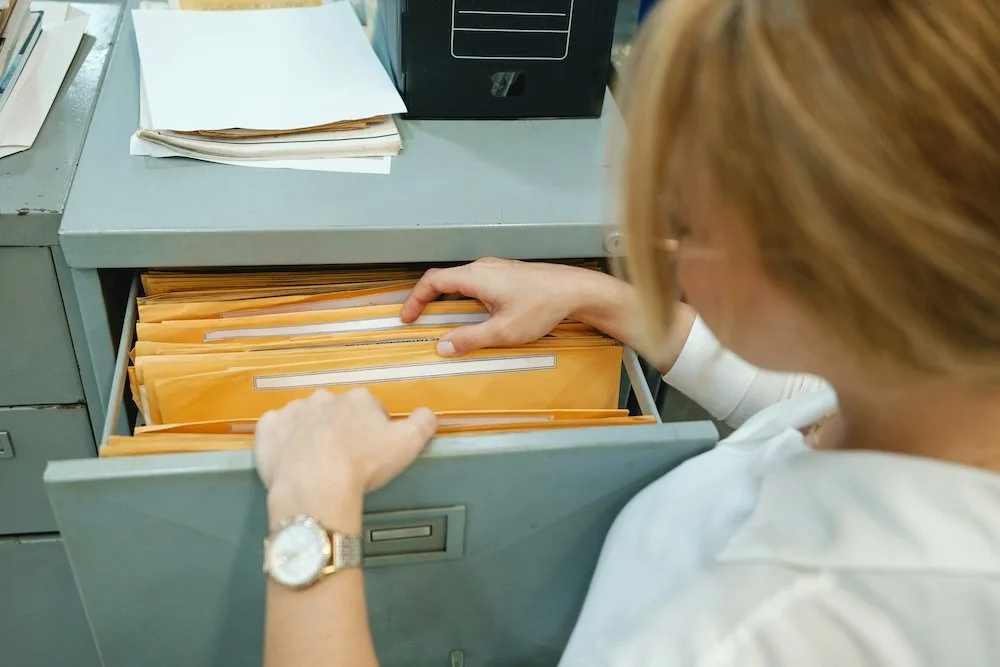
A folder in the back office works, but so does a digital copy. Many kitchen managers keep a binder for paper receipts and scan each one as well. Inspectors may ask for records from the past year or longer, and paperwork that is lost or faded can be treated the same as paperwork that was never created. Keep records organized by date so you can hand over what is requested in minutes, not hours.
Stay Consistent With Your Schedule
Records also reveal patterns. If your receipts show cleanings spaced far apart, an inspector may question whether the trap is overflowing between visits. A consistent schedule tells a better story. Many commercial kitchens clean on a regular cycle, and busy restaurants may need more frequent service. Your records can help you adjust the schedule based on how fast your trap fills.
Add a Simple Daily Habit
Beyond professional service, a quick log of in-house maintenance helps. Note when staff scrape plates, wipe down equipment, or check the trap lid. These small entries show a culture of care and give inspectors more confidence in your operation.
Make It Easy With Bailey’s | Grease Trap Cleaning in Berks
The simplest way to stay organized is to work with a provider that documents every visit for you. Bailey’s Septic Service has served Berks County families and businesses since 1935, and our PSMA certified team provides clear service records upon request.. You get the paperwork you need without chasing it down. Do not wait for an inspector to find a gap in your files. Contact Bailey’s Septic today to schedule grease trap cleaning services in Berks County, PA and keep your records in order.
