
What Happens If You Skip Septic Pumping?
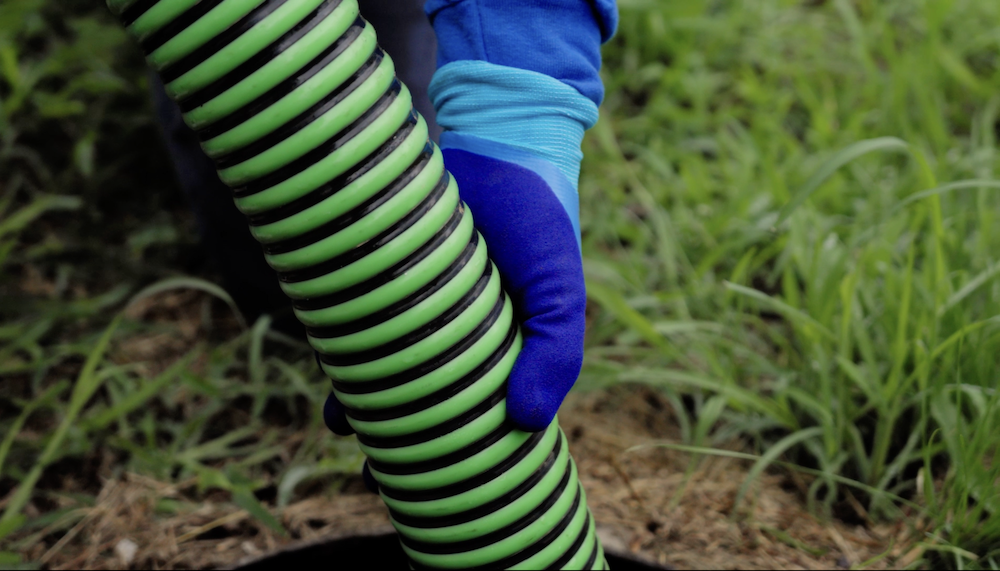
Septic systems are easy to forget about because they work quietly underground. When everything flows like it should, most homeowners do not give their system a second thought. The problem is that septic tanks are not maintenance free. Skipping routine septic pumping can lead to a chain reaction of issues that become expensive, disruptive, and sometimes hazardous.
Sludge and Scum Begin to Build Up
Inside every septic tank, waste separates into three layers. Solids settle at the bottom as sludge, lighter materials float to the top as scum, and liquid wastewater stays in the middle. Pumping removes the sludge and scum before they cause trouble.
When pumping is skipped, those layers continue to thicken. Over time, the sludge level rises and the scum layer expands. Once they take up too much space, wastewater has nowhere to go. That is when problems start showing up in the house and the yard.
Drains Become Slow and Unpredictable
One of the first signs of an overfilled septic tank is slow drainage. Sinks may take longer to empty. Toilets might not flush cleanly. Tubs and showers can start backing up without warning.
These issues often come and go at first, which makes them easy to ignore. Many homeowners assume it is a simple clog. In reality, the septic tank may be too full to process incoming wastewater properly. Without pumping, those slow drains usually turn into full blockages.
Sewage Can Back Up Into the Home
When a septic tank reaches capacity, wastewater looks for the easiest exit. Unfortunately, that exit can be your home. Sewage backups are one of the most unpleasant consequences of skipped pumping.
Wastewater can come up through floor drains, toilets, or lower level fixtures. Aside from the obvious mess and odor, sewage backups can damage flooring, drywall, and personal belongings. Cleanup often requires professional remediation, which adds another layer of cost.
The Drain Field Stops Working Properly
The drain field plays a critical role in treating wastewater after it leaves the septic tank. When a tank is not pumped on schedule, excess solids can escape into the drain field.
Once solids enter the drain field, they clog the soil and pipes that are meant to absorb and filter wastewater. This leads to pooling water, soggy patches in the yard, and unpleasant odors outdoors. In severe cases, wastewater can surface above ground.
Drain field repairs are far more expensive than routine pumping. In many situations, replacement is the only option.
Structural Damage to the Septic System
Septic tanks are designed to hold a specific volume of waste. When they stay overfilled for long periods, added stress is placed on the tank walls, baffles, and internal components.
Cracked tanks, damaged baffles, and broken pipes can result from years of neglected pumping. These issues are not always visible from the surface, which means damage can progress unnoticed until the system stops working altogether.
Health and Environmental Risks Increase
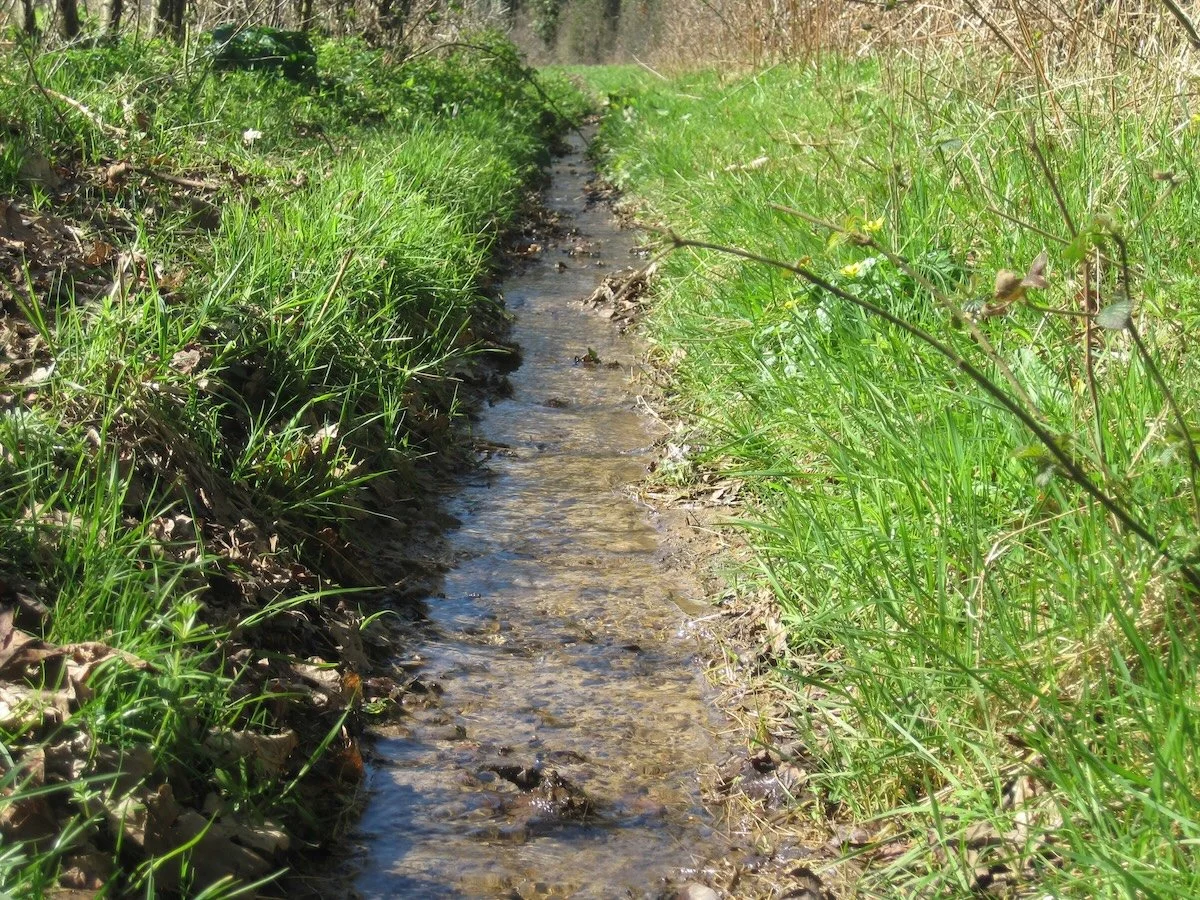
An overloaded septic system does more than damage property. It can also pose health risks. Untreated wastewater contains bacteria and pathogens that should never be exposed to people or pets.
When septic systems fail, contaminants can seep into groundwater or nearby streams. This affects drinking water sources and local ecosystems. Foul odors around the home are often a sign that harmful gases and bacteria are present.
Costs Add Up Quickly
Routine septic pumping is one of the most affordable forms of septic maintenance. Skipping it might seem like a way to save money in the short term, but it almost always leads to higher costs later.
Emergency pumping, sewer backup cleanup, drain field repairs, and system replacements all carry significant price tags. What could have been handled with a simple maintenance visit often turns into a major expense.
How Often Should Septic Tanks Be Pumped?
Most residential septic tanks should be pumped every 2 to 3 years. The exact schedule depends on household size, tank capacity, and water usage habits. Homes with garbage disposals, high water usage, or frequent guests may need more frequent service.
Regular pumping keeps solids from reaching critical levels and allows technicians to spot early signs of trouble.
Protect Your Septic System | Septic Services Reading, PA
At Bailey’s Septic, we provide septic services in Berks County to help folks stay ahead of problems. Staying on a regular pumping schedule helps protect your home, your yard, and your investment.
If it has been a few years since your last septic pumping, now is the right time to take care of it before small issues turn into major ones.