
How Septic Waste is Pumped and Collected
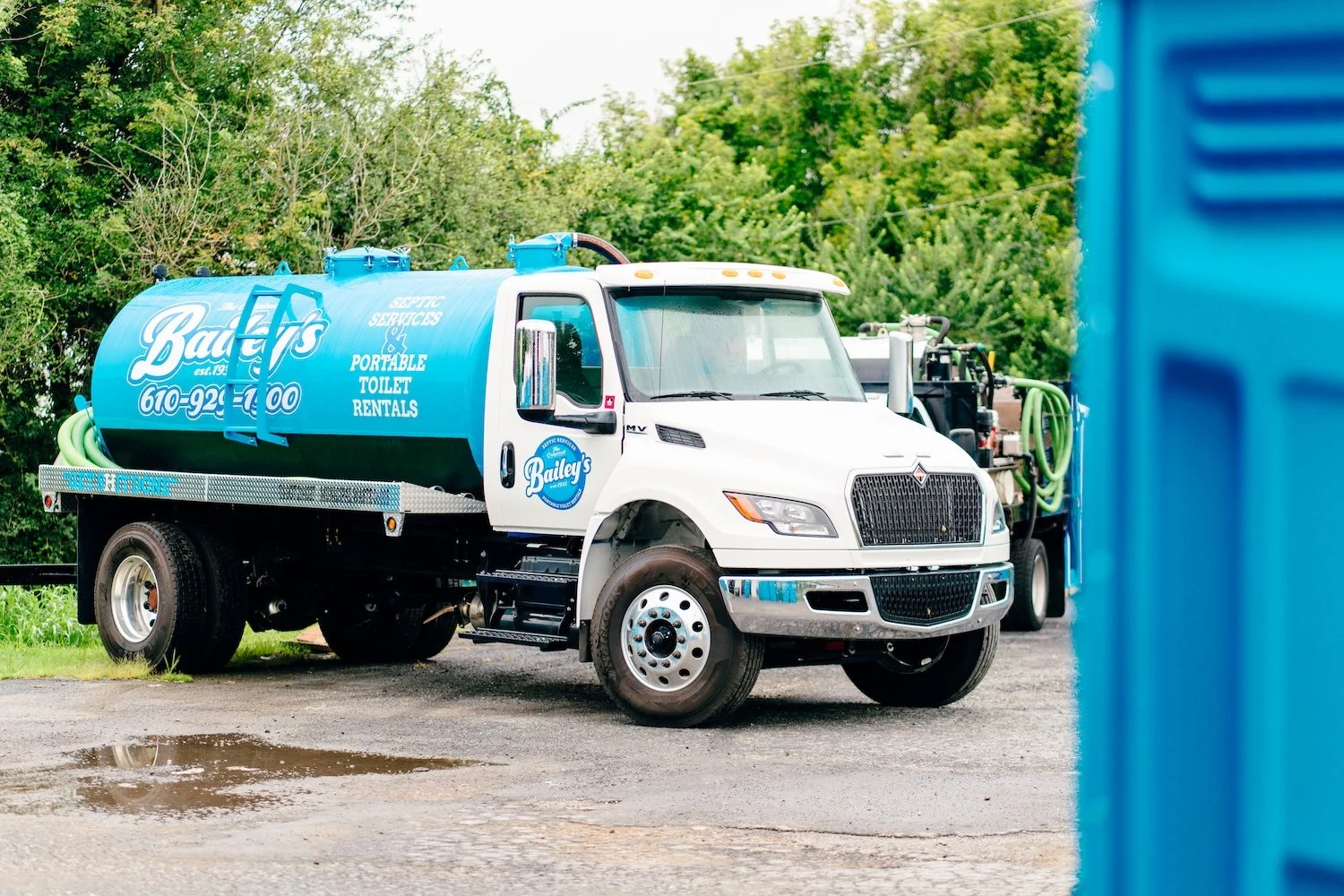
Guest post written by Riley with IronVac Trucks
For most homeowners, their septic system isn’t something they think much about - until it stops working. Regular pumping is one of the most important parts of keeping a septic system healthy and preventing backups, slow draining, or expensive repair bills. I’ve spent the last year working alongside septic companies across the country, and one thing is always true: homeowners benefit when they understand what actually happens during a pump-out.
Finding and Opening the Septic Tank
The service begins with locating your septic tank and uncovering the access lid. Some systems have risers, which make this easy. Others require digging to reach the access points. Proper access allows technicians to see inside the tank and ensures a complete pump-out - not just a quick vacuum from one corner.
Pumping Out the Waste
This is where the equipment takes over. Once the hose is lowered into the tank, a high-powered vacuum pump removes the solids and liquids. Bailey’s Septic Services relies on professional-grade vacuum trucks built by manufacturers like Iron-Vac Trucks, to ensure the tank is cleaned fully and efficiently.
During the pump-out, the technician may use tools to break up compacted solids. A thorough cleaning helps protect your drain field and keeps the tank operating correctly.
1. Inspecting the Tank’s Components
After the waste is removed, the inside of the tank is inspected. This includes the following:
The inlet and outlet baffles
Structural condition of the tank
Signs of corrosion or damage
An empty tank makes it easier to catch small issues before they turn into major repairs.
2. Transporting and Disposing of Waste
Once the tank is pumped, all the collected waste is stored securely inside the truck’s sealed holding tank. From there, it’s transported to an approved wastewater treatment facility. Proper handling and disposal protect the environment and keep contaminants out of groundwater.
3. Closing Up and Site Cleanup
When everything is done, the lids are put back in place, any digging is filled in, and the area is cleaned up. Their techs relay jobsite information to the office to help determine future pumping schedules based on usage, tank capacity, household size, etc.

Septic systems may be out of sight, but they shouldn’t be out of mind. Regular pumping is one of the simplest ways to avoid expensive problems down the road.
Septic Pumping Services Berks County PA | Bailey’s Septic
If you’re in the area and need a reliable, experienced team, Bailey’s septic pumping services has been doing this for generations and is known for their commitment to quality work. If you ever notice slow drains, foul odors, or gurgling sounds, it’s probably time to give them a call.
